
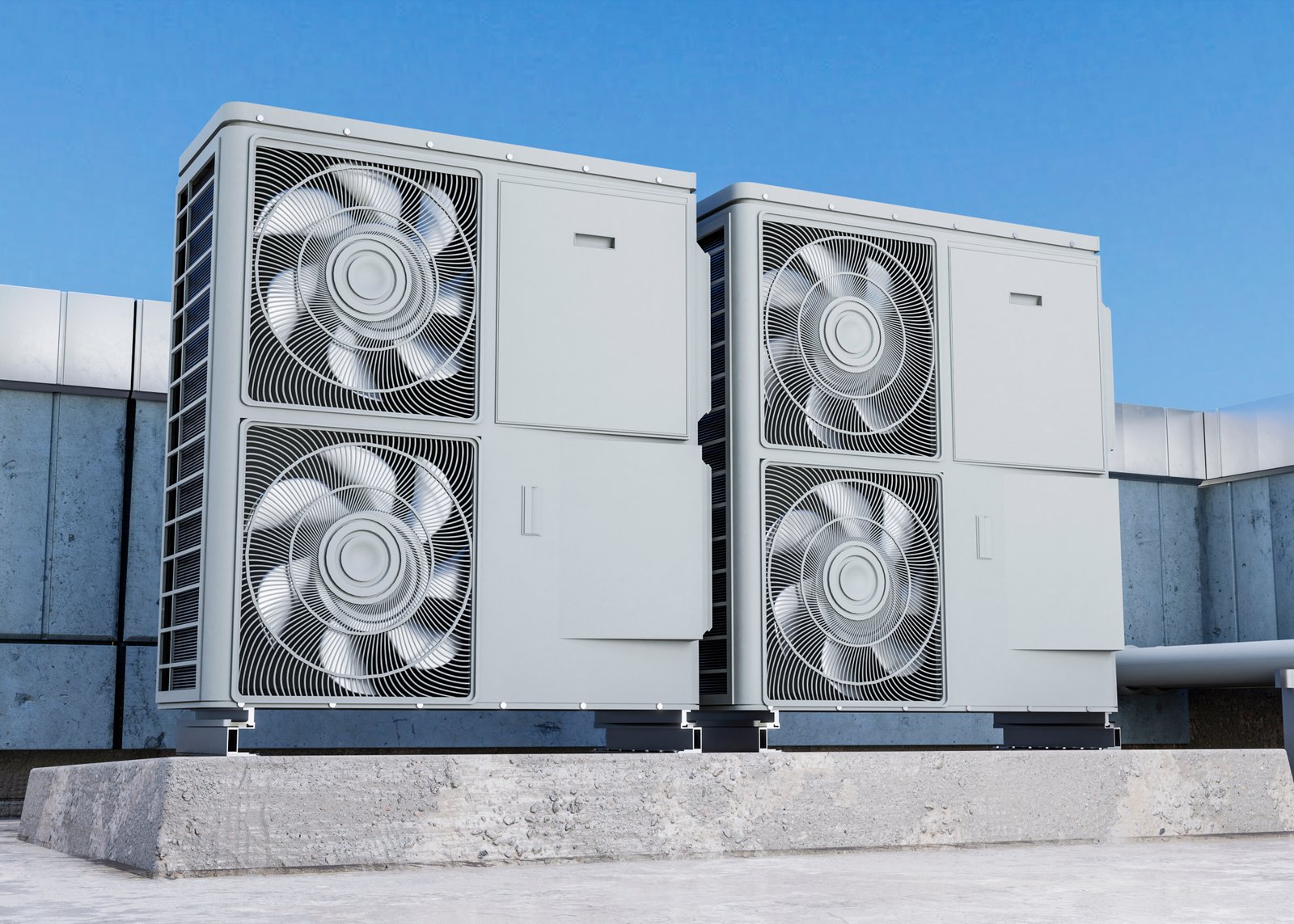
A cooling problem rarely arrives at a convenient time. For a family home with high indoor humidity even when the thermostat is satisfied, servicing packaged equipment where roof access, weather exposure, and business operations all matter deserves an evaluation that considers the cause, the equipment, and the conditions around the system. When a Cocoa customer calls us about Rooftop HVAC service, we focus on the symptoms, system condition, and the clearest path toward reliable operation.
Before replacing parts, we build a timeline of the symptom. We ask Cocoa customers when the change began and what else they noticed so testing can focus on the most likely system, control, drainage, or airflow causes.
Common Reasons Customers Call Us
For Cocoa customers considering rooftop HVAC service, changes in occupied-zone comfort, runtime, rooftop noise, drainage, controls, or repeated tenant complaints can help narrow the cause and the operational impact.
While addressing a rooftop-unit service need in Cocoa, changes that affect safety, create water, or become more frequent deserve prompt evaluation. We use the symptom pattern to separate immediate action from work that can be scheduled.
Safety remains the first priority when we assess a rooftop-unit service need in Cocoa. Equipment that smokes, smells burned, repeatedly trips a breaker, leaks heavily, or makes severe mechanical noise should be shut down when safe; an active fire or electrical hazard requires emergency assistance rather than continued troubleshooting.
- The unit shuts down during peak load
- Belts squeal or airflow drops
- Water or rust appears around the curb or drain
- Multiple tenant areas lose comfort
- Controls show repeated alarms or lockouts
Questions We Answer Before Work Begins
For a rooftop-unit service need in Cocoa, we choose tests around the reported problem rather than using the same checklist as the diagnosis. Depending on the symptoms, that may include temperature, electrical, airflow, drainage, controls, refrigerant performance, duct condition, access, and operating history.
Cocoa properties include older homes, renovated properties, newer neighborhoods, multifamily buildings, and active commercial corridors, so the service approach has to fit the building rather than just the ZIP code. Commercial work also has to account for occupancy, business hours, roof or mechanical-room access, tenant communication, decision authority, and the cost of downtime. Cocoa buildings can have layers of renovations and equipment changes, making access, duct modifications, drainage, and the history of previous repairs useful parts of the service conversation.
- Rooftop unit diagnostics and repair
- Belt, motor, electrical, refrigeration, and drain checks
- Weather-exposure and cabinet-condition review
- Maintenance planning for commercial schedules
The Details Behind Reliable Operation
Good records reduce guesswork across multiple systems. An equipment list and repair history can reveal repeat failures, recurring airflow problems, or units that should move into replacement planning.
What We Account For in Cocoa
Equipment condition often differs widely from one property to the next, making on-site diagnosis more useful than assumptions based on age alone.
Local conditions matter because Cocoa combines older homes, renovated properties, newer neighborhoods, multifamily buildings, and active commercial corridors. Commercial work also has to account for occupancy, business hours, roof or mechanical-room access, tenant communication, decision authority, and the cost of downtime. Cocoa buildings can have layers of renovations and equipment changes, making access, duct modifications, drainage, and the history of previous repairs useful parts of the service conversation.
A Cocoa property may be affected by older and renovated homes, mixed residential and commercial properties, river-adjacent humidity, and long cooling cycles, but the correct rooftop HVAC service approach still depends on the individual building. We evaluate the equipment, air distribution, drainage, controls, access, and customer priorities together.
Repair, Upgrade, or Monitor?
We look at safe roof access and unit location, weather and corrosion exposure, and business downtime and occupancy. We also take time to ask whether the property has recurring airflow, humidity, drainage, or control issues that could reduce the value of the immediate repair. Our final recommendation for RTU service needs to reflect more than one reading or one failed part.
When a focused repair is the sensible response to a rooftop-unit service need in Cocoa, we explain what failed and what the proposed work is intended to restore. If a larger correction or replacement also deserves consideration, we compare the alternatives instead of presenting one option as inevitable.
- Safe roof access and unit location
- Weather and corrosion exposure
- Business downtime and occupancy
- Parts, controls, and equipment age
Questions We Answer Before Work Begins
Consider a downtown-area business with changing occupancy loads in Cocoa. For rooftop-unit service, we would combine technical evaluation with the site’s operating hours, access rules, occupant needs, approval process, and the cost of downtime before setting the work plan.
Accountability and clear communication shape how we handle a rooftop-unit service need in Cocoa. We explain findings in practical terms, work with a range of equipment, and use flat-rate pricing so the customer can understand the proposed scope.
When Cocoa customers call us about a rooftop-unit service need, they are working with a local, family-owned Space Coast company serving the area since 2019 and shaped by a multigenerational trade background. Our Florida contractor license is CAC1822012.
How the Components Work Together
For additional context, the resources below include relevant All Quality service pages plus government and industry guidance.
Review our HVAC maintenance plans.
Learn more about how to contact All Quality Heating and Cooling.
See details about commercial HVAC services before deciding what to schedule.
Explore our ductwork repair and replacement.
Read ASHRAE technical resources for additional background.
Consult ENERGY STAR heating and cooling guidance when comparing general guidance.
Use OSHA indoor air quality resources for additional background.
Explore Florida Building Code information when comparing general guidance.
Practical Questions Before Scheduling
Q: What should I note before scheduling RTU service in Cocoa?
A: Write down business hours, affected areas, equipment locations, access rules, tenant or staff concerns, and any recent service history. A clear description of the change helps direct the service visit.
Q: Can rooftop-unit service be coordinated around occupants or business hours in Cocoa?
A: Often, yes. The workable schedule depends on access, safety, equipment location, the repair or installation scope, and site rules. We discuss operating hours, approval contacts, and communication needs before setting the plan.
Q: What local factors can affect commercial rooftop HVAC support for a Cocoa property?
A: High humidity, long cooling cycles, storm exposure, and different moisture or corrosion conditions between river-adjacent and inland properties can influence runtime, moisture, drainage, corrosion, and how quickly a small weakness becomes noticeable. We also consider the building type, equipment access, duct layout, and any property rules that affect work in Cocoa.
Q: What happens after the RTU service work is completed?
A: We verify the result in operation, review what was done, and point out any condition that should be monitored or planned for later. You should leave the visit knowing what was done and what, if anything, should be watched next.
When you are ready to discuss rooftop-unit service for a Cocoa home, business, condo, or managed property, we will help you move from the current concern to a clear next step. We serve Rockledge, Cocoa West, Merritt Island, and nearby Central Brevard communities with repair, installation, maintenance, ductwork, indoor air quality, and commercial HVAC support.