
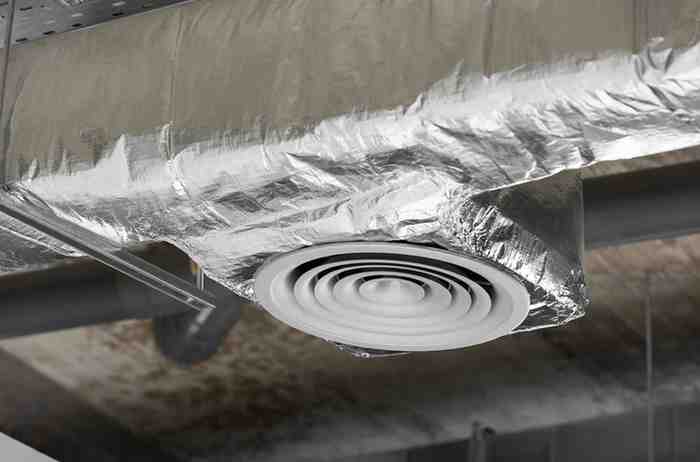
In Florida, reliable climate control is part of protecting the building as well as keeping people comfortable. For a condo where equipment access and condensate drainage require careful planning, reducing avoidable corrosion risk through inspection, cleaning, placement awareness, and timely maintenance deserves an evaluation that considers the cause, the equipment, and the conditions around the system. For coastal AC corrosion protection in Melbourne, we connect the recommendation to observable conditions in the building and the result the customer is trying to achieve.
Before replacing parts, we build a timeline of the symptom. We ask Melbourne customers when the change began and what else they noticed so testing can focus on the most likely system, control, drainage, or airflow causes.
Symptoms We Do Not Ignore
For Melbourne customers considering coastal AC corrosion protection, visible oxidation, deteriorating fins or cabinets, repeated coil problems, and exposure history help determine whether corrosion is cosmetic, developing, or already affecting serviceability.
While addressing coastal corrosion protection in Melbourne, changes that affect safety, create water, or become more frequent deserve prompt evaluation. We use the symptom pattern to separate immediate action from work that can be scheduled.
During a Melbourne visit involving coastal corrosion protection, repeated breaker trips, smoke, a burning odor, heavy leaking, or violent mechanical noise are reasons to stop restarting the equipment. When it is safe, leave the system off and use emergency services for an active fire or immediate electrical danger.
- Surface rust is spreading on the cabinet or fasteners
- Coil fins or tubing show visible deterioration
- Electrical connections discolor or corrode
- Equipment sits in direct salt-air exposure
- Repeated leaks or failures occur in exposed components
Understanding the System Behind the Symptom
Coastal corrosion is influenced by exposure, materials, drainage, maintenance, and equipment placement. Surface oxidation is not always a failure, but corrosion that affects coils, tubing, fasteners, electrical connections, cabinets, or structural supports deserves professional attention.
Cleaning should follow manufacturer guidance, and harsh chemicals or high-pressure washing can damage equipment. We inspect accessible components during service and explain whether the condition is cosmetic, repairable, or likely to affect reliability.
How the Evaluation Moves Forward
For coastal corrosion protection in Melbourne, we choose tests around the reported problem rather than using the same checklist as the diagnosis. Depending on the symptoms, that may include temperature, electrical, airflow, drainage, controls, refrigerant performance, duct condition, access, and operating history.
Melbourne properties include a mix of established neighborhoods, newer development, offices, retail space, condos, and light-commercial properties, so the service approach has to fit the building rather than just the ZIP code. Coastal exposure can accelerate deterioration of coils, cabinets, fasteners, electrical connections, and other exposed metal, making condition-based inspection more useful than a one-size-fits-all schedule. System age and building type can change quickly from one Melbourne property to the next, so the equipment has to be evaluated in the context of the structure rather than by model number alone.
- Inspection of accessible exposed metal and electrical components
- Coil and cabinet condition review during service
- Cleaning and maintenance recommendations
- Repair or replacement guidance when corrosion affects reliability
Choosing the Most Practical Path
The final recommendation for coastal AC corrosion protection should be based on more than one reading or one failed part. We consider distance and exposure to salt-laden air, equipment age and cabinet condition, and manufacturer-approved maintenance practices. We also ask whether the property has recurring airflow, humidity, drainage, or control issues that could reduce the value of the immediate repair.
When a focused repair is the sensible response to coastal corrosion protection in Melbourne, we explain what failed and what the proposed work is intended to restore. If a larger correction or replacement also deserves consideration, we compare the alternatives instead of presenting one option as inevitable.
- Distance and exposure to salt-laden air
- Equipment age and cabinet condition
- Manufacturer-approved maintenance practices
- Whether corrosion is cosmetic or affecting function and safety
Space Coast Factors That Shape the Solution
Long cooling seasons, humid afternoons, coastal air, and frequent summer storms can expose small HVAC weaknesses quickly.
Melbourne properties include a mix of established neighborhoods, newer development, offices, retail space, condos, and light-commercial properties, so the service approach has to fit the building rather than just the ZIP code. Coastal exposure can accelerate deterioration of coils, cabinets, fasteners, electrical connections, and other exposed metal, making condition-based inspection more useful than a one-size-fits-all schedule. System age and building type can change quickly from one Melbourne property to the next, so the equipment has to be evaluated in the context of the structure rather than by model number alone.
A Straightforward HVAC Experience
For Melbourne customers considering coastal corrosion protection, our service commitments include a one-year labor warranty on installations and 24/7 emergency availability for urgent HVAC problems. We explain how those commitments apply to the work being discussed.
For Melbourne customers seeking help with coastal corrosion protection, All Quality Heating and Cooling is a family-owned Space Coast company established in 2019 and shaped by a multigenerational HVAC background. We are licensed in Florida under CAC1822012 and serve homes and businesses across Brevard County and nearby communities.
Consider an established home with an older duct system in Melbourne. For coastal AC corrosion protection, we would inspect the exposed components, document the type and extent of deterioration, consider the equipment’s environment and age, and discuss protection or replacement only where the condition justifies it.
Our approach to coastal AC corrosion protection is straightforward: evaluate the condition, explain the options, and price the approved scope clearly. We are a family-owned Space Coast company operating under Florida license CAC1822012.
Further Reading for property Owners
The links below connect Melbourne customers with related All Quality services and independent information relevant to coastal AC corrosion protection.
Review our air conditioning installation options.
Learn more about our Space Coast service area.
See details about air conditioning repair services before deciding what to schedule.
Explore our HVAC maintenance plans.
Read Florida Building Code information for additional background.
Consult ENERGY STAR heating and cooling guidance when comparing general guidance.
Use U.S. Department of Energy air-conditioning guidance for additional background.
Explore NOAA climate information when comparing general guidance.
Common Questions About Coastal AC corrosion protection
Q: What should I note before scheduling corrosion protection for outdoor HVAC equipment in Melbourne?
A: Write down equipment age, outdoor exposure, prior coil or cabinet damage, maintenance history, and any visible corrosion. A clear description of the change helps direct the service visit.
Q: Does every Melbourne outdoor unit need the same corrosion treatment?
A: No. Exposure, equipment materials, age, distance from salt air, existing deterioration, and manufacturer guidance can differ. We base the recommendation on the actual condition and location of the equipment.
Q: What local factors can affect coastal corrosion protection for a Melbourne property?
A: Long cooling seasons, coastal humidity, heavy summer rain, and salt exposure closer to the lagoon and beaches can influence runtime, moisture, drainage, corrosion, and how quickly a small weakness becomes noticeable. The plan also reflects the building, equipment location, duct layout, and any access or community requirements.
Q: What happens after the AC corrosion prevention work is completed?
A: We verify the result in operation, review what was done, and point out any condition that should be monitored or planned for later. We want you to understand the result and any next step that deserves attention.
For corrosion protection for outdoor HVAC equipment in Melbourne, the next step should be based on the building, the equipment, and the result you need. Our team serves West Melbourne, Eau Gallie, and nearby Brevard County communities and can help you evaluate the options before work begins.